
Nepal has become a top destination for Indian students aspiring to pursue MBBS due to its cost-effective education system, quality medical training, and globally recognized degree programs. With a curriculum closely aligned with India’s medical education, Nepal provides Indian students with a smooth transition, eliminating language barriers and cultural adjustments. The availability of MCI/NMC-approved medical colleges ensures that students can practice medicine in India after completing their MBBS and passing the FMGE/NEXT exam. Moreover, the total cost of MBBS in Nepal is significantly lower compared to private medical colleges in India, making it an affordable option for middle-class families.
One of the most attractive aspects of studying MBBS in Nepal is the simplified admission process. Students do not need to appear for entrance exams like IELTS or TOEFL, and direct admission is possible for eligible candidates. Nepal’s close proximity to India also ensures easy travel and connectivity, allowing students to visit home frequently. The medical colleges in Nepal provide a well-structured academic environment with experienced faculty, advanced medical infrastructure, and extensive clinical exposure through internships at reputed hospitals. Additionally, the presence of a large Indian student community in Nepal fosters a comfortable learning atmosphere, making MBBS in Nepal a highly sought-after choice.
Contact UsNepal is a landlocked country located in South Asia, bordered by China to the north and India to the south, east, and west. It is home to the Himalayan mountain range, including Mount Everest, the world's highest peak. The country's diverse topography consists of plains, hills, and mountains, with elevations ranging from 60 meters to over 8,848 meters above sea level.
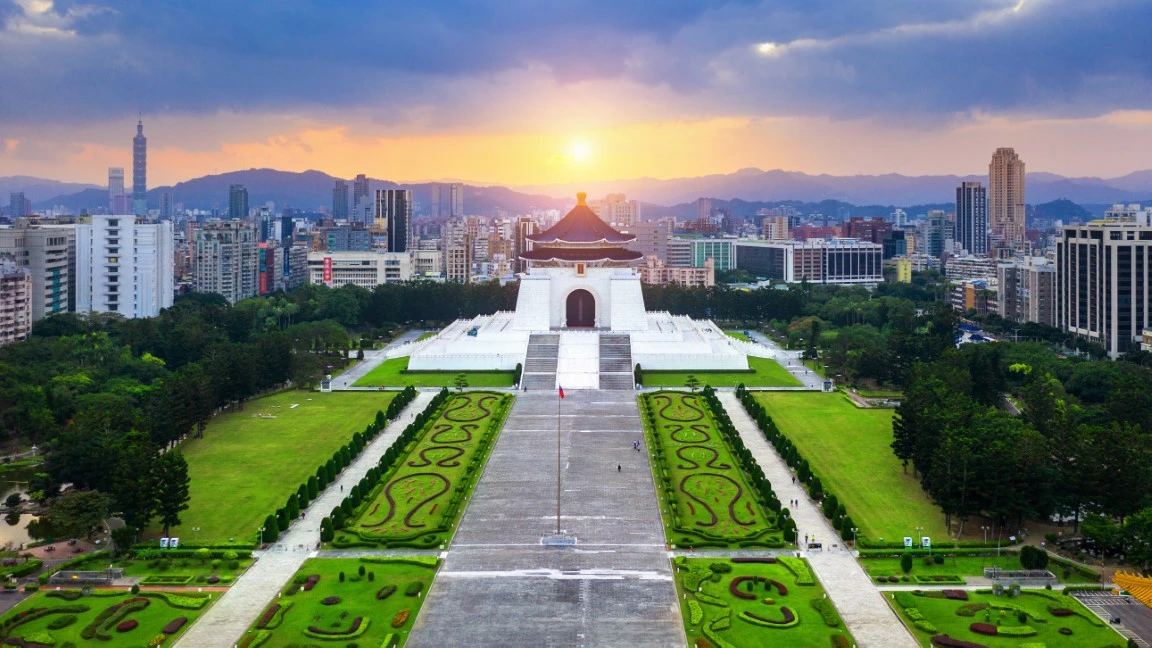
Nepal is home to several historically and culturally significant cities that attract tourists, students, and business professionals from around the world. Each city offers a unique blend of heritage, modern infrastructure, and vibrant local traditions. From the bustling capital city of Kathmandu to the serene beauty of Pokhara, Nepali urban centers provide diverse experiences. The cities are also known for their prominent educational institutions, thriving marketplaces, and deep-rooted cultural festivals. Below is a list of some of the most famous cities in Nepal, along with key highlights of each.
| City | Population | Key Points |
|---|---|---|
| Kathmandu | 1.4 million | The capital city, cultural hub with historic temples, and palaces |
| Pokhara | 500,000 | Known for its lakes, adventure sports, and scenic beauty |
| Lalitpur (Patan) | 300,000 | Famous for its ancient temples and art culture |
| Bhaktapur | 80,000 | UNESCO World Heritage city, rich in medieval architecture |
| Biratnagar | 250,000 | Major industrial and trade center of Nepal |
| Chitwan | 150,000 | Famous for Chitwan National Park, wildlife sanctuary |
| Nepalgunj | 85,000 | Commercial center near the Indian border |
Nepal serves as a major hub for international travelers, connecting the country with destinations around the world. Due to its mountainous terrain and scenic landscapes, transportation infrastructure plays a vital role in tourism and trade. The country's international airports facilitate tourism, trade, and business, offering direct flights to various Asian and Middle Eastern destinations. Below are the major international airports in Nepal along with their locations and roles in international connectivity.
| Airport Name | Location | Notes |
|---|---|---|
| Tribhuvan International Airport | Kathmandu | Only international airport currently operating in Nepal |
| Gautam Buddha International Airport | Lumbini | Newly opened, serving international flights |
| Pokhara International Airport | Pokhara | Expected to boost tourism and connectivity |
Nepal experiences a diverse range of weather conditions due to its varied topography, from the lowland Terai region to the towering Himalayan peaks. The country enjoys four distinct seasons: winter, spring, monsoon, and autumn, each offering unique climate conditions. Temperatures and weather patterns vary depending on altitude and season.
| Month | Temperature Range (°C) | Season |
|---|---|---|
| January | 2 – 15 | Winter |
| February | 5 – 18 | Winter |
| March | 10 – 24 | Spring |
| April | 15 – 28 | Spring |
| May | 18 – 32 | Pre-monsoon |
| June | 20 – 34 | Monsoon |
| July | 22 – 30 | Monsoon |
| August | 21 – 30 | Monsoon |
| September | 18 – 28 | Post-monsoon |
| October | 14 – 26 | Autumn |
| November | 8 – 22 | Autumn |
| December | 3 – 18 | Winter |
Understanding Nepal's weather conditions is essential for travelers, students, and professionals planning long-term stays. While the monsoon season brings heavy rainfall that can impact travel, the autumn and spring months offer the most pleasant weather, making them ideal for outdoor activities and tourism.
In the digital age, Nepal has witnessed significant growth in online services, making daily activities more convenient for its residents and visitors. From booking transportation to ordering food and making financial transactions, various online applications and platforms cater to different needs. These platforms have made life easier for travelers, students, and professionals by offering user-friendly interfaces and seamless services.
| Service | Website/App Name |
|---|---|
| Flight Booking | Yeti Airlines, Buddha Air |
| Bus Ticket Booking | Sajha Yatayat, BusSewa |
| Train Ticket Booking | No railway service available in Nepal |
| Taxi Booking | Pathao, Tootle |
| Food Delivery | Foodmandu, Bhoj Deals |
| Online Shopping | Daraz, HamroBazar |
| Mobile Payment | eSewa, Khalti |
The rise of digital platforms in Nepal has revolutionized how people access essential services, bringing convenience and efficiency to everyday life. Whether booking a ride, shopping online, or making cashless transactions, these platforms continue to improve accessibility and enhance user experiences across the country.
WhatsApp us